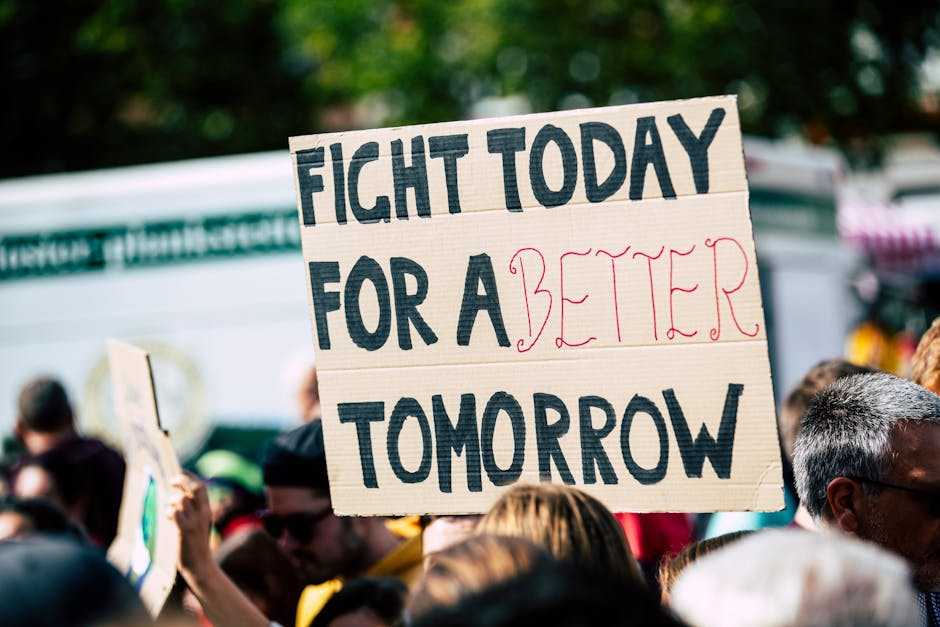
Climate Disasters Forcing Fast Policy Shifts
2026 has come in swinging with floods pushing past what even the most updated climate models predicted. Europe saw rivers break their banks in places that usually stay dry year round. Southeast Asia, meanwhile, hasn’t had time to recover between monsoon surges. The damage goes beyond homes and highways crops, warehouses, and transit hubs are getting wiped out in weeks that used to be bone dry.
Governments weren’t ready, but they’re moving now. Emergency spending bills are speeding up plans that had been sitting on desks for years think flood ready transit systems, porous pavement, urban reforestation. EU member states and Southeast Asian governments alike are fast tracking climate resilience projects, not as a choice but as a necessity.
The shakeup’s putting real strain on insurance markets. Reinsurance costs are climbing. Global shipping routes are being modified to avoid flood prone choke points. Disruption is the new normal.
No one’s asking anymore if climate change will disrupt global systems. The question is how fast we can adapt before the next wave hits.
New Frontiers in Tech Regulation
The AI boom didn’t come quietly. A few headline grabbing failures deepfake misinformation, biased hiring algorithms, and rogue chatbots pushed governments to act. By mid 2026, several countries passed emergency AI oversight laws designed to rein in unchecked automation. These rules, rushed but reactive, now shape what companies can build, test, and release.
Regulation is moving unevenly. The U.S. leans light touch, trying to avoid choking innovation. Europe doubled down on accountability, enforcing strict compliance and transparency in AI deployment. China, meanwhile, continues to push state favored systems under tight surveillance. What results is a fractured tech landscape. Code that works in one country may run into brick walls somewhere else.
Meanwhile, some courts have stepped into the void. High profile rulings like the EU decision forcing open source models to reveal training data are redefining the edges of intellectual property and digital ethics. These legal curveballs are slowing time to market for startups and prompting tech giants to rethink global rollout strategies.
Innovation hasn’t stopped. But it’s jogging now, not sprinting and everyone’s running on a different track.
A Historic Turn in the Middle East
A Peace Deal that Defied Expectations
In early 2026, the world witnessed a surprising and long overdue peace agreement between major regional powers in the Middle East. After decades of fragile negotiations, stalled diplomacy, and intermittent conflict, the breakthrough stunned foreign policy experts and reset global expectations.
Years of quiet diplomacy finally yielded a formal peace accord
Key regional players aligned on trade, security, and border agreements
Many global leaders caught off guard by the speed and scope of the deal
Immediate Global Ripple Effects
The peace deal didn’t just shift borders it reshaped key aspects of international relations and global markets almost overnight.
Trade Routes Reopened
Major land and sea routes in the region became more secure
New commercial corridors accelerated cargo and energy transport
Businesses began fast tracking logistics infrastructure to take advantage
Energy Markets Rebalanced
Stabilization of oil producing regions led to a short term price dip
Long term energy cooperation agreements began to form
Alternative energy investments gained relevance amid greater policy stability
Regional Investment Surge
Foreign direct investment into the Middle East spiked within weeks
Infrastructure, tourism, and technology sectors saw immediate growth
Sovereign funds started reprioritizing local development over external holdings
Looking Ahead
While many caution that peace in the region is still fragile, few can deny the global significance of the cooperative tone now shaping Middle Eastern diplomacy. The success of this unprecedented agreement is shifting narratives in international relations and presenting new models for conflict resolution.
For a deeper look into the backstory and ongoing developments:
Explore the Middle East peace deal
Mass Migration from Climate Stressed Regions
In 2026, Northern countries are rewriting immigration policies faster than ever. Climate driven displacement from the Global South is no longer a slow moving trend it’s a flood. With rising seas and droughts forcing millions to move, countries like Canada, Sweden, and Germany are updating border protocols, legal pathways, and asylum systems on the fly.
But open doors come with pressure. Housing markets are under strain. Healthcare systems are scrambling for capacity. City infrastructure, from public transit to schooling, is playing catch up. Policymakers are stuck between humanitarian urgency and political backlash fueled by economic fears.
At the ground level, this shift is triggering cultural recalibrations. New languages are filtering into public life. Local services are adapting. Social contracts are being renegotiated in real time. Some communities are thriving with the influx; others struggling to adjust.
The bottom line: migration flows triggered by climate instability have kicked off a test of resilience not just for migrants, but for the systems meant to receive them.
Upended Global Alliances
In a year already full of curveballs, the international order is reshuffling quietly, but fast. The traditional blocs that once called the shots are showing signs of wear. NATO, the G7, and even long standing trade agreements are no longer the default centers of decision making as new, unexpected coalitions rise around specific issues.
We’re seeing countries forge pragmatic ties that would’ve seemed implausible five years ago tech alliances between rivals, climate pacts across ideological lines, and trade agreements prioritizing resilience over ideology. These aren’t built on shared values, but on shared urgencies: decarbonization, energy independence, and smart AI governance.
Diplomatic capital is flowing toward problem solvers. Governments are now favoring relationships that move the needle on climate, economic survival, and tech security rather than the old military first thinking. And interestingly, some of the biggest military de escalations are happening far from the usual peace talks along neglected South American corridors, Arctic bound partnerships, and Sub Saharan cooperation hubs.
The global map is no longer tidy. Power is being reallocated, not taken. And in that messy handoff, there’s room for new ideas if you’re watching.
Where It’s All Headed
2026 isn’t easing in it’s coming in hot. Across the board, old norms are showing cracks. Political coalitions are fraying, economic rules are being rewritten, and tech is pacing ahead of regulation. What used to be stable trade routes, alliances, even weather now looks unstable or uncertain. This isn’t just noise. It’s a reset.
There’s no single storyline shaping the year. Instead, we’re seeing a pile up of converging shifts: climate pressure pushing migration and policy, AI forcing moral and legal debates, surprise diplomacy realigning regions we’ve long written off as stuck.
The message is clear don’t count on yesterday’s logic to predict tomorrow’s world. For a deeper lens on how even the Middle East is rewriting expectations, explore the context behind this year’s unexpected peace accord: Middle East peace deal.