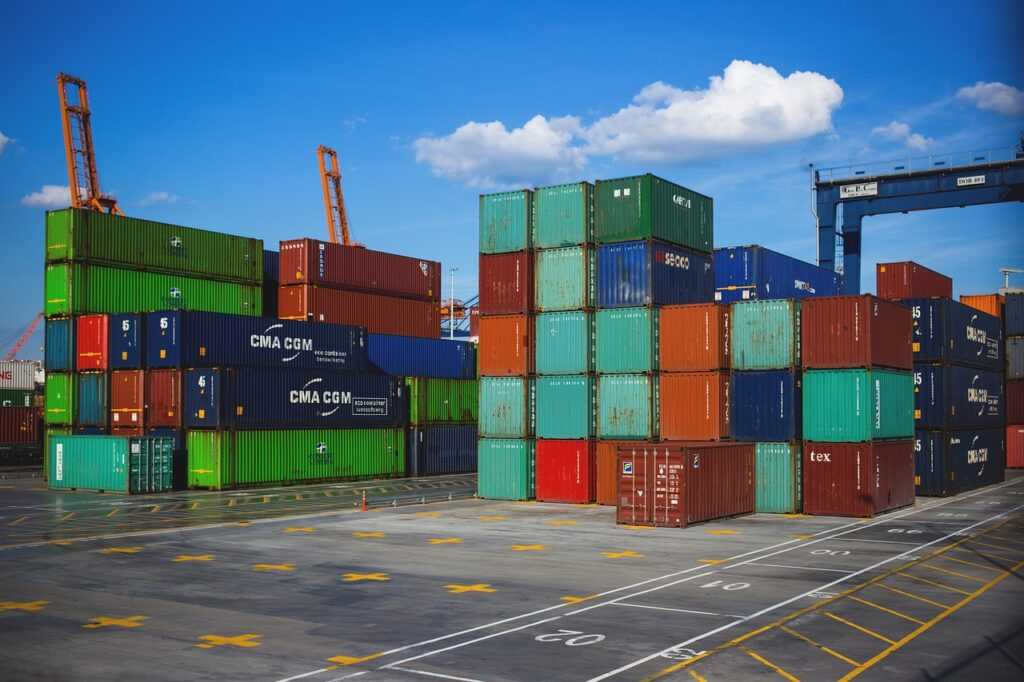
Why Trade Rules Matter More Than Ever
Navigating a Tighter Global Economy
The global business landscape is becoming increasingly interconnected, but also more complex. Economic pressures, tightening supply chains, and expanding geopolitical tensions mean that companies can no longer afford to be reactive when it comes to trade compliance.
Global growth is slowing, making efficiency and risk management more crucial
Regulatory missteps now carry heavier financial and operational consequences
Compliance isn’t just a legal requirement it’s a strategic necessity
Real Costs of Getting It Wrong
Overlooking trade rules doesn’t just lead to a slap on the wrist. The consequences can be steep and long lasting:
Fines: Penalties for non compliance can reach into the millions, depending on the infraction and jurisdiction.
Delayed or lost shipments: Improperly declared goods can be held at customs, leading to customer dissatisfaction and contractual penalties.
Strained trade relationships: Consistent oversights may result in increased scrutiny or even revocation of import/export privileges.
A Shifting, Protectionist Landscape
Trade regulations are no longer static or predictable. Countries are increasingly using tariffs and restrictions as economic tools, and the rules can shift with short notice.
More nations are adopting protectionist policies to safeguard domestic industries
New trade agreements and political alliances continue to reshape compliance requirements
Businesses must be agile and informed to avoid disruptions
Bottom line: In 2024 and beyond, trade rule awareness isn’t a niche concern it’s a core part of doing business globally, especially for companies looking to expand across borders.
Core Concepts of Import and Export Compliance
Every global business needs to understand a few basic terms because messing them up can cost you time, money, and credibility.
First, duties and tariffs. Duties are the taxes charged by a government on imported goods. Tariffs are rates applied to specific products depending on where they come from. They’re not just financial hurdles, either they can determine if your pricing remains competitive or sinks your margins.
Next, origin rules. These decide where a product is “from” in the legal sense. It’s not always where it’s made sometimes it’s tied to where the largest portion of value is added. Getting this wrong means mislabeling your product’s country of origin, which is a fast track to fines or product seizures.
Then there’s the Harmonized System (HS) code. It’s a universal classification system for traded products, used by customs authorities worldwide. This code decides what tariffs, regulations, and paperwork apply to your shipment. Use the wrong one? Your shipment could be delayed or misclassified and that’s if it clears at all.
Finally, customs authorities don’t play by one rulebook. The U.S., EU, China, and other regions all have different nuances in what they check, how they inspect goods, and what enforcement looks like. Some focus on safety standards, others on trade agreements. Understanding who you’re dealing with and what they care about isn’t optional. It’s part of the job.
Breaking Down Import Rules
Getting goods across borders isn’t as simple as printing a shipping label. Most countries require formal approvals before anything can legally enter. These usually include import permits, pre shipment inspections, and customs declarations. For some categories like food, electronics, or medical supplies you’ll also need product specific certifications from relevant agencies.
Then there are restricted goods. We’re talking firearms, chemicals, tech with cybersecurity implications the kind of cargo governments like to keep tabs on. If you’re importing anything on that list, you’ll need special licenses, and you’ll want to apply early. These approvals can take weeks or even months, depending on the destination and item type.
On top of all that, your paperwork better be airtight. From invoices and shipping manifests to certificates of origin and compliance records, authorities expect a full audit trail. Missing or incorrect documents are one of the top reasons goods get held up or outright denied.
Bottom line: Importing gets real, fast. Businesses that stay organized and proactive will move faster and pay less in penalties.
Exporting Essentials

When goods leave a country, the paperwork doesn’t stop at the warehouse door. Governments track what’s going out and to whom for a reason. Export controls aren’t just red tape; they’re national security tools. That means authorities keep tabs on product categories, end users, and destination countries. Some items electronics, chemicals, software may require special licenses, no matter how routine the order looks.
End user checks are a big one. Is your buyer on a denied party list? Will your shipment end up resold to a sanctioned country? These aren’t abstract worries. A mix up can lead to heavy fines, export bans, and public scrutiny that no business wants. That’s why verifying the end user and final destination isn’t optional it’s survival.
Accurate declarations are your first line of protection. Mislabeling contents or misclassifying goods (even unintentionally) risks triggering audits or blocking shipments. Make sure product descriptions match what’s actually being shipped. Tie each item to the correct Harmonized System code. Honest documentation is more than best practice it’s your legal defense.
In short: know what you’re shipping, who’s receiving it, and what rules apply. Cut corners, and you risk more than revenue.
Staying Ahead of Changing Regulations
Global trade laws don’t stay static neither should your compliance strategy. With tariffs shifting, sanctions lists updating, and customs procedures evolving region by region, proactive management is the only way forward.
Use Technology to Stay Current
Modern tools make staying compliant far more manageable than manual tracking ever could. Integrated systems can now alert you to regulatory changes in real time, helping you adapt before issues arise.
Trade compliance software offers centralized rule maps, duty calculators, and documentation templates
Automated alerts keep you informed on changes in HS codes, licensing requirements, and embargo locations
Data integration with ERP systems ensures shipping and financial records stay aligned
Partnering with Trade Compliance Experts
Working with external specialists gives your business access to the latest knowledge without having to become an expert overnight.
Trade consultants analyze your supply chain for hidden risk zones and inefficiencies
Customs brokers offer region specific insight and help streamline cross border shipments
Legal advisors can help you respond to audits, investigations, or sudden compliance changes
Train Your Internal Teams
Compliance isn’t just about box checking it’s about protecting your brand and minimizing costly mistakes. You’ll need more than one spreadsheet savvy employee.
Offer ongoing training for logistics, finance, and procurement teams on legal obligations
Build standard operating procedures (SOPs) around documentation, supplier vetting, and due diligence
Foster a compliance first culture one that views proactive action as a competitive edge, not a burden
Investing in smart systems, trusted partnerships, and well prepared teams ensures your business won’t just react to change it will stay ahead of it.
For businesses navigating cross border trade in 2024, the landscape isn’t just complex it’s constantly shifting. Whether it’s changing tariff structures, origin labeling rules, or export control updates, staying compliant isn’t optional. It’s the difference between smooth operations and costly delays.
A solid understanding of import/export regulations can’t be piecemeal. You need clarity on documentation, licensing, duty classifications, and more. That’s where a resource like the trade regulation guide comes in. It breaks down the essentials for today’s exporters, importers, and supply chain teams without the fluff. From how to spot red flags to automated tools that keep you ahead of global rule changes, this guide is a go to for trade professionals looking to avoid missteps and move faster.
Trade doesn’t wait. Neither should you.
Avoiding Costly Trade Mistakes
Small and mid sized businesses often trip over the same handful of compliance issues when it comes to international trade. It usually starts with paperwork: incorrect product classification, missing certificates, or the wrong harmonized codes. These mistakes may seem minor, but they get flagged fast and the consequences spiral from there.
Another common error is failing to understand country specific regulations. What flies in one market might be banned in another. Shipping without checking can lead to expensive returns, seizure of goods, or worse, a revoked license. Then there’s underestimating the importance of recordkeeping. Customs doesn’t care if you’re small they expect complete audit trails and correct filings, always.
The hidden costs pile up quickly. Missed delivery windows can tank business relationships. A flagged shipment can sit in a foreign warehouse, racking up storage fees. Some companies even lose trading privileges altogether. It’s not just about compliance it’s about protecting your operations and reputation.
Customs red flags? Repeated HS code errors, inconsistent valuation, vague end use descriptions, and a pattern of last minute documentation fixes. These aren’t just mistakes they’re signals that a company might be cutting corners.
Bottom line: trade errors cost more than just fines. They slow growth, hurt credibility, and open the door to scrutiny you don’t want. Get it right the first time or be prepared to lose more than money.
Going Global, the Right Way
Compliance might not be flashy, but it’s a serious growth lever. When businesses get proactive about meeting trade rules instead of reacting to problems, they move faster. Pre cleared paperwork, predictable shipping timelines, and a cleaner audit trail all translate to smoother scaling across borders. You’re not scrambling to fix customs errors you’re focused on reaching new markets.
Reputation also travels. Global partners and import authorities notice when a company shows up with its act together. Being known for compliance brings trust, not just from governments but also from customers and logistics providers. It opens doors sometimes literally. Reliable businesses get faster lane access, less scrutiny, and better trade terms.
In a global economy that’s always shifting, smart trade isn’t just about rules. It’s a strategic advantage. Companies that treat compliance as a cost sink fall behind. Companies that treat it as a competitive asset set the tone and pace for growth.
For more actionable strategies, check out the comprehensive trade regulation guide.