A turnkey base camp provides a complete, ready-to-activate environment that helps humanitarian teams work with confidence from the moment they arrive. You gain a reliable space where shelter, utilities, and support functions operate as a unified system, reducing delays during critical moments.
This matters in both emergency response and long-term development work, where stability, speed, and organization shape the quality of assistance delivered. When the foundation is set up correctly, teams stay productive, risks stay manageable, and resources stretch further.
Read on to see how turnkey base camp infrastructure for humanitarian aid and development projects can give your operations the structure and reliability they need.
Site Planning and Camp Design
Careful planning lays the groundwork for an efficient, safe, and adaptable base camp. Partnering with experts in expeditionary base camps and scalable shelter solutions helps ensure the layout and infrastructure meet operational needs from the start. Using a turnkey base camp allows teams to deploy pre-configured setups quickly while maintaining high safety and functionality standards.
The following are key aspects to focus on when establishing a functional camp layout:
- Location assessment: Evaluate terrain stability, water availability, access routes, and potential hazards. Choosing a secure and accessible location ensures the camp can operate effectively and remain reachable during emergencies.
- Functional layout: Organize living spaces, work zones, storage areas, and vehicle corridors to minimize congestion and allow teams to perform tasks efficiently. Clear zoning supports smooth movement and simplifies coordination.
- Environmental considerations: Incorporate natural ventilation, drainage, and shaded areas to enhance comfort and reduce exposure to heat and adverse weather. Strategic placement of open spaces and natural buffers improves air circulation and helps manage site runoff.
A well-considered design sets the stage for smooth operations and supports the long-term resilience of the camp, allowing teams to focus on delivering aid efficiently from day one.
Essential Facilities and Support Services
A functional base camp relies on core facilities that support health, safety, and productivity for all teams. Well-planned services reduce downtime, maintain comfort, and allow staff to focus on their mission.
Here are the essential facilities and support services to ensure a reliable operational environment:
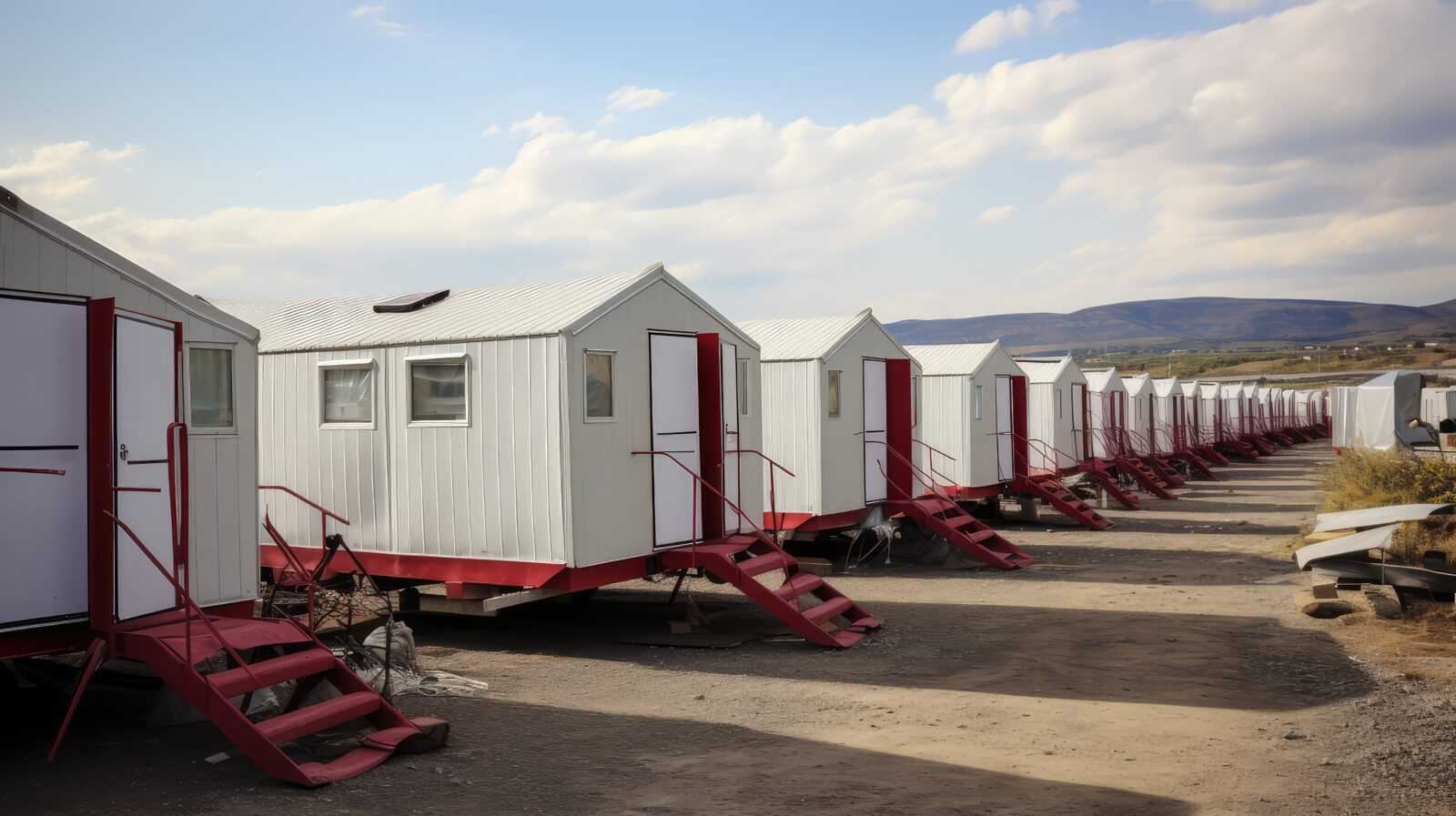
- Shelter systems: Use modular and weather-resistant units designed for rapid deployment. These provide secure living and working spaces while adapting to changing field conditions.
- Power solutions: Combine generators, solar panels, and energy storage to maintain continuous electricity. Reliable power supports medical units, communications equipment, and daily operations without interruption.
- Water supply and treatment: Install systems for sourcing, filtering, storing, and distributing clean water. Adequate water access is essential for drinking, cooking, hygiene, and overall camp health.
- Sanitation and waste management: Equip latrines or modular restroom units, wastewater treatment, and waste segregation points. Effective sanitation prevents contamination and maintains safe living conditions.
- Medical support: Set up clinics or first aid stations that allow teams to respond immediately to injuries or illnesses. Ready access to medical care reduces risks and ensures personnel remain healthy and operational.
Properly designed facilities create a stable environment that supports long-term efficiency, safeguards staff well-being, and keeps operations running smoothly under challenging conditions.
Logistics, Deployment, and Maintenance
Effective logistics are essential to keep a base camp fully operational and responsive to field needs. Careful planning of transport routes, cargo lists, and staging timelines ensures that equipment and supplies arrive on schedule. This coordination reduces delays and supports uninterrupted daily operations for the team.
Following delivery, standardized setup procedures help streamline the assembly of shelters, utilities, and support areas. Clear protocols for installation ensure that each element functions as intended, while minimizing errors and setup time. Properly organized deployment strengthens overall operational efficiency.
Equally important is the management of supply chains, which ensures consistent access to fuel, food, water treatment materials, and medical consumables. Regular monitoring of inventory levels and replenishment schedules prevents shortages that could disrupt camp functionality. Maintaining these flows allows teams to focus on their mission without logistical distractions.
Routine maintenance ensures that all systems function reliably, even in isolated locations. With proper infrastructure and communication tools, staff can carry out tasks efficiently, supporting remote work from the camp while staying connected to central operations. This approach minimizes downtime and keeps all essential services running smoothly.
Safety, Security, and Community Coordination
Establishing clear safety protocols is fundamental to protecting staff and maintaining operational stability. Identifying potential hazards such as severe weather, local tensions, or infrastructure weaknesses allows teams to implement preventive measures. Proper risk management reduces interruptions and ensures personnel can focus on critical tasks without avoidable threats.
Security measures are a key part of maintaining a controlled environment. Installing access controls, adequate lighting, fencing where needed, and communication tools allows for quick reporting of any incidents. This structured approach provides a secure perimeter while enabling smooth movement within the camp.
Working closely with the surrounding community strengthens both safety and cooperation. Coordinating with local authorities and leaders helps avoid conflicts, respects customs, and aligns operations with regional priorities. Adhering to international humanitarian standards ensures that all activities are ethical and support the dignity of both staff and affected populations.
Final Thoughts
A turnkey base camp supports fast action, dependable routines, and safe conditions for teams working in challenging environments. When each part of the setup works in harmony, you create a base that strengthens humanitarian response and supports long term development goals.