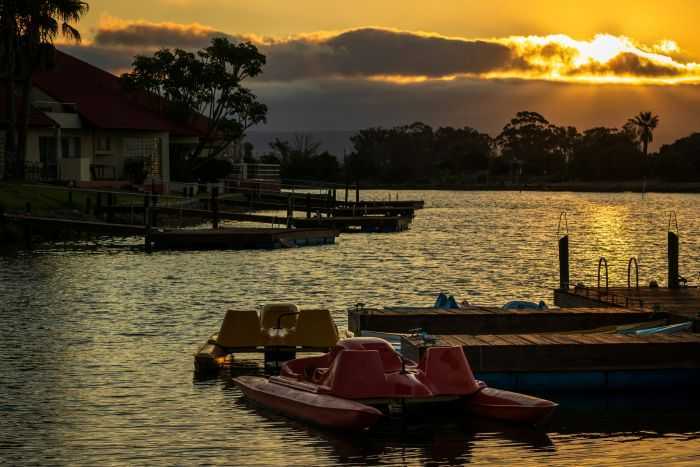
Living in a waterfront home often comes with a private jetty. It’s where you can dock a boat, enjoy quiet mornings, or spend time with family by the water. But while a jetty adds comfort and value, it also brings its own set of risks that are easy to overlook.
Private jetty insurance is designed to help protect that structure from damage, accidents, and unexpected events. It may not be included in a standard home insurance policy, so it often needs special attention. Understanding what it entails can help you make more informed choices about protecting your waterfront property.
Let’s take a look at how it works and the specific coverage areas for marine structures:
What Private Jetty Insurance Actually Covers
Private jetty insurance focuses on protecting structures exposed to water, movement, and changing weather conditions. This includes jetties, small piers, and docking areas attached to a home. These structures are exposed to the elements, which increases the odds of wear and damage over time.
Most insurance policy options for jetties focus on property damage caused by storms, strong waves, or boat impact. In some cases, coverage is based on replacement cost, which means repairs or rebuilding are valued based on current material and labor prices rather than older estimates. This can make a difference when repairs are needed after major weather events.
Some plans also include contents coverage for items attached to the jetty, like lighting or mooring equipment. Others may extend protection through additional interest clauses, especially when third parties have a financial stake in the structure.
To ensure you get the right coverage, research to find the right marina and jetty protection. This will ensure that your specific waterfront assets are covered against the unique challenges of a coastal environment.
Common Coverage Options to Consider
Private jetty insurance usually comes in different layers. To make the best choice, here are a few options to consider:
Structural Damage Coverage
Structural damage coverage is the core part of most policies. It helps repair or rebuild the jetty after events like storms, collisions, or flooding. This type of protection is closely tied to property damage claims, especially when weather causes sudden destruction.
Some policies also consider long-term wear, including issues linked to structural fatigue. However, coverage rules vary, so it’s essential to understand what is included before signing anything.
Equipment and Accessory Coverage
Jetties consist of several crucial parts that support safe and easy use. Railings, ladders, lighting, and docking equipment all work together to keep the structure functional and secure. Equipment and accessory coverage focuses on protecting these individual components in case of damage.
If a storm breaks a railing or a boat impacts a docking fixture, repairs or replacement may be covered depending on the insurance policy. In some cases, claims are settled using replacement cost values, which can help reduce out-of-pocket expenses and make repairs more manageable.
Liability Protection
Liability protection covers situations where someone gets injured on or near your jetty. This can fall under personal liability or broader public liability coverage, depending on the policy structure.
For example, if a guest slips on a wet surface or a visitor gets hurt while boarding a boat, liability coverage may help cover costs related to medical bills or legal claims. This becomes especially important for families who host gatherings or have frequent visitors near the water.
Temporary Repair and Emergency Access
Some insurance options include temporary support after damage. This helps stabilize the jetty. That means you can use it safely while you plan for full repairs.
This type of cost-effective protection can be especially helpful after major storms, when waiting too long can worsen the situation. It’s not always standard, so families often check for it during the application process.
Choosing the Right Policy for Your Family
Finding the right coverage means matching the insurance policy to how your family actually uses the jetty and waterfront space. To choose the best private jetty insurance, here are a few things to consider:
Compare Different Options
Insurers structure coverage in different ways. Some focus more on structural protection, while others include broader liability coverage or extras like contents coverage for attached equipment.
Looking at several options helps you see what is included and what is missing. This is where an insurance broker can help explain differences in plain language.
Check Claims Process and Response Time
A smooth claims process can make a big difference after damage occurs. Some insurance providers handle marine claims fast, while others may require extended inspections.
Ask how the application process works and what documentation is needed before filing a claim. Delays can sometimes lead to higher repair costs if damage worsens over time.
Look at Integration With Home Insurance

In some cases, you can add jetty protection to a home insurance policy. This can simplify payments and reduce the number of separate policies you manage.
However, not all home insurance plans fully cover marine structures. Many people sometimes assume coverage is included, especially when paying a monthly premium. It helps to double-check what is actually protected.
For rental properties, landlords may also deal with tenant rental agreement terms that separate jetty use from the main home coverage. In such cases, a security or cash deposit may not extend to structural protection, so insurance becomes even more important.
Conclusion
Private jetty insurance adds a useful layer of protection for a structure that faces constant exposure to water and weather. Understanding what an insurance policy covers will help you choose options that match your needs. The right setup can help limit unexpected costs while keeping your jetty safe, functional, and ready for everyday use.