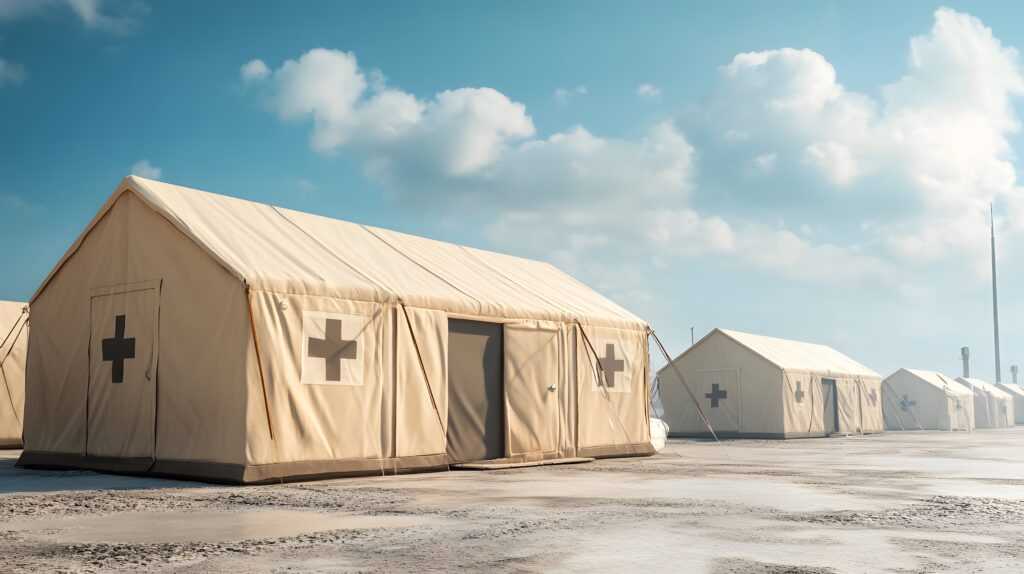
Disaster relief teams often work in tough and unpredictable environments. Many affected areas don’t have safe buildings or reliable shelter. Outdoor canopies help fill this gap because they’re quick to set up and useful in many situations. They give workers and communities safe spaces to gather, rest, and receive support. With the right canopy options, relief work becomes more organized and easier to manage.
Creating Safe and Productive Work Areas
Emergency teams need protected areas where they can plan, coordinate, and complete tasks. Outdoor canopies help create these work zones within minutes. They offer sun protection and cover from rain or falling debris. This keeps workers focused and able to move quickly when there’s no time to waste.
These work areas often feel similar to outdoor living spaces for teams that spend long hours on-site. A sturdy outdoor canopy tent or pop-up canopy tent can serve as a temporary field office where teams review maps and hold briefings. When internal operations require better visibility, certain canopies with transparent windows help workers communicate clearly. For added stability, canopy sand bags keep the structure grounded in strong winds.
Teams that want dependable performance during intense relief operations often choose products built for long-term outdoor use. Anyone responsible for outfitting disaster response units can explore durable canopy options and buy a Jubilee canopy or those of your choice to support both small and large field setups.
Some teams also expand coverage with extended awning systems or shade sails. This added space helps when workers need room for tools, patio furniture used as seating, or equipment that shouldn’t be in direct sunlight.
Helping Medical Teams Provide Care
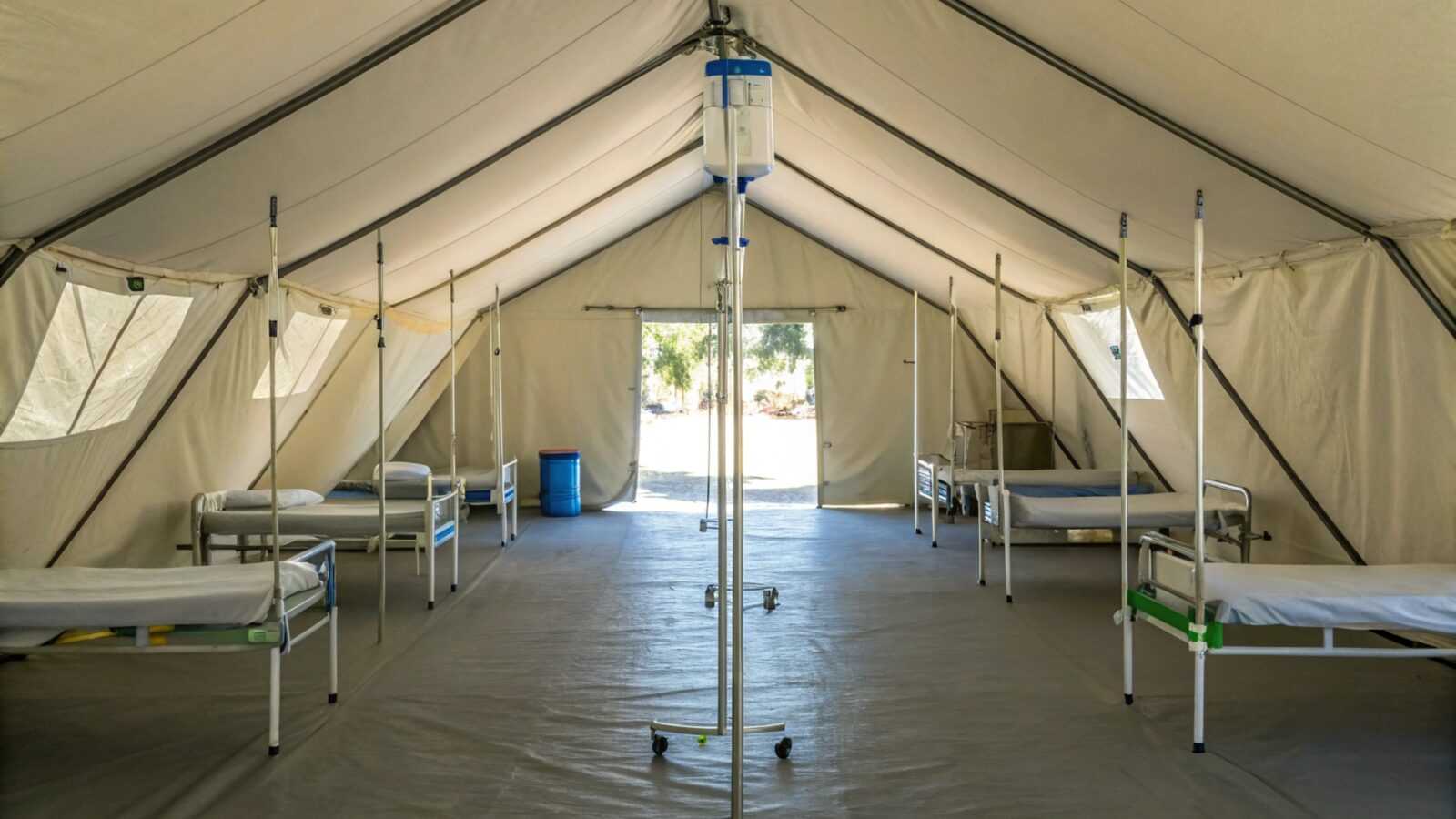
Medical support is often needed right away in disaster areas. Outdoor canopies make it possible to create temporary medical stations quickly. Shade canopy structures with strong UV protection help shield both patients and medical staff from harsh weather. This creates a safer and calmer environment for everyone.
Triage stations work especially well under event tent setups. Medical workers can check injuries, separate urgent cases, and prepare patients for transport. Zippered sidewalls provide privacy and keep dust out. When local clinics are damaged, larger tents with canopy replacement tops can serve as temporary treatment areas or recovery zones.
Some medical teams rely on equipment designed for outdoor living or camping. A durable camping canopy can support smaller care stations in remote areas. Lightweight models stored in a carry bag allow teams to relocate quickly when conditions change.
Organizing Supply Storage and Distribution
Supplies are a major part of disaster response. Food, water, clothing, and medical goods must reach people as fast as possible. Outdoor canopies help keep these efforts organized. They create shaded areas where people can line up safely without standing in direct sunlight.
Covered structures protect supplies from heat and rain. Workers can sort boxes, label donations, and prepare shipments under patio covers or extended awning setups. A pop-up canopy tent or event tent can turn into a full supply hub with tables, bins, and storage racks.
When distribution pauses, zippered sidewalls help secure items. Shade sails or smaller canopy options can create extra storage zones for overflow supplies like hygiene kits or water tanks.
Offering Shelter and Support for Affected Communities
Many survivors lose access to homes or community buildings. Outdoor canopies help create safe temporary gathering areas where people can rest, get information, and receive support. These spaces often resemble shared outdoor living areas that give communities a sense of stability.
Large canopies or event tents can become communication points where relief workers post schedules and deliver updates. Families may use these areas to reconnect. Simple seating under a canopy or near patio furniture makes stressful situations feel more manageable. Shade canopy setups also provide sun protection for children, older adults, and anyone waiting for help.
Some teams add transparent windows or canopy replacement tops to improve airflow and lighting as weather shifts.
Improving Coordination Among Relief Teams
Strong coordination is essential in disaster relief. Many groups work together and need shared spaces for meetings and planning. Outdoor canopies support this by acting as central coordination hubs.
A sturdy event tent can become a command post where leaders check maps, track routes, and assign tasks. UV protection and covered walls shield communication devices. When power equipment is in use, zippered sidewalls help reduce noise and maintain organization.
Shade sails or extended awning layouts guide traffic flow so teams don’t overlap or disrupt each other’s activities. This simple structure helps operations run smoothly.
Providing Flexibility During Unpredictable Conditions
Every disaster is different, so relief teams need flexible tools. Outdoor canopies offer that flexibility. They’re available in many shapes and sizes, including portable camping canopy models and large outdoor canopy tents for high-volume operations.
Some include carry bags for easy movement. Others come with canopy sand bags or canopy replacement tops for long-term use. Teams can shift or rearrange canopies as needs evolve. A canopy used for planning in the morning might become a supply area or medical station later in the day.
This adaptability helps relief workers stay efficient, even when weather conditions change suddenly.
Conclusion
Outdoor canopies play a vital role in disaster relief work. They create workspaces, medical stations, and supply areas that keep operations running smoothly. They also offer shelter for survivors who need a safe place to gather and get information. As conditions shift, canopies and other shade structures like shade sails or patio covers help teams stay organized and responsive. With the right canopy options in place, disaster relief efforts can support communities more effectively and with greater comfort.