What These Summits Really Do
Global climate summits aren’t just photo ops. They’re where slow moving parts of international diplomacy find some traction. Agreements like the Paris Accord didn’t appear out of thin air they were hammered out over months and finalized at high stakes, high profile meetings where leaders have no choice but to take a stance.
These gatherings act as launchpads for binding pledges. Countries bring their negotiators, plans, and sometimes their excuses. What starts as diplomatic posturing often ends in written commitments some ambitious, others bare minimum. What matters is that the pressure mounts in public, on record. The world is watching, and that moves the needle.
Funding is another piece. Multilateral organizations and large economies use summits as moments to open their wallets or at least announce they intend to. That’s where the Green Climate Fund gained traction. That’s where loss and damage conversations, long shelved, finally hit the agenda. Money talks, even at 30,000 feet.
Coordination also takes shape here. It’s not just heads of state activists, scientists, business leaders, and mayors from the most affected cities show up too. This cross section of voices can break through red tape and turn strategy into steps. When it works, summits don’t just shape policy they force it forward.
For a closer look at how world leaders are trying to unite for climate action, see this deep dive.
Policy Changes That Started at the Table
Global climate summits aren’t just photo ops and microphones they’re pressure cookers where policy gets forged. In recent years, we’ve seen a wave of commitments on net zero timelines, carbon pricing benchmarks, and aggressive methane targets. These weren’t just tossed into the air during panel talks they were built into agreements like the Paris Rulebook or hammered out at COP26 and COP28.
What’s changed is the pace. Countries are beginning to act faster after summits, using them as deadlines rather than just discussions. Canada baked a rising carbon tax into national law. The EU tightened its emissions trading system. Even the U.S., long lagging, signed back on to the methane pledge with real funding behind it.
Still, the story isn’t all forward motion. There’s an uncomfortable gap between ambition and follow through. Big promises made on a global stage don’t always translate into national law or budget shifts. A country might announce a 2030 net zero draft but drag its feet on enforcing renewable targets.
What’s clear? These summits can set things in motion. But they don’t do the work alone. The policies that matter most come when world leaders go home and actually push change through legislatures, courts, and finance ministries. Until then, we’ll keep seeing progress locked in a loop of pledge and delay.
Key Players and Power Shifts

Global climate summits bring together a wide range of participants, but influence is not evenly distributed. Understanding who truly sets the agenda helps explain why certain policies succeed, stall, or never make it to the table. Here’s a breakdown of how power dynamics play out:
Who Sets the Tone?
Some players consistently steer the global climate conversation:
G7 Nations: As major emitters and funders, the G7 countries often dominate the agenda. Their backing or resistance can make or break progress on emissions targets and green financing.
UNEP (United Nations Environment Programme): As a coordinating body, UNEP helps frame scientific consensus and keeps climate issues at the forefront of policy discussion.
Global South Alliances: Coalitions of developing nations have gained visibility and negotiating power by joining forces, calling for equitable climate finance and highlighting loss and damage impacts.
How Smaller Nations Make a Big Impact
Despite limited resources, some smaller countries have leveraged moral authority, innovation, and diplomatic tenacity to shape the global debate:
High impact storytelling: Island nations like Tuvalu and the Maldives have used their vulnerability to climate change as a diplomatic megaphone.
Thought leadership: Countries like Costa Rica champion bold environmental policies that other nations look to emulate.
Strategic collaboration: By forming regional blocs or aligning with larger partners, smaller nations elevate their voices during negotiations.
Influence Beyond Nation States
It’s not just governments at the table. Other actors play significant roles:
Private Sector: Major corporations are increasingly involved in climate discourse, both through lobbying efforts and public private project funding. Their participation helps bring large scale resources to the table but also raises concerns about self interest.
NGOs and Civil Society: From watchdogs to policy advocates, non governmental organizations provide technical input, highlight gaps between rhetoric and action, and mobilize public pressure for greater transparency and accountability.
The balance of power at climate summits is fluid and understanding who’s speaking, who’s listening, and who’s influencing behind the scenes is essential to evaluating outcomes.
Challenges and Criticism
There’s no shortage of promises made at climate summits but turning words into action is another story. Lofty commitments often make headlines, only to stall in policy deadlock or political backtracking. It’s the “all talk, no action” trap. Leaders announce frameworks and timelines, but enforcement mechanisms remain weak. The climate clock keeps ticking, while some countries keep stalling.
At the same time, greenwashing isn’t just a corporate problem it’s creeping into the diplomatic world too. Some governments present flashy sustainability plans or pledge to pledge commitments, while continuing to fund fossil fuel expansion or delay domestic reforms. It’s optics over operations. These moves can water down the credibility of the entire summit process.
Then there’s the elephant in the room: fairness. Developed nations are responsible for the bulk of historical emissions, yet often push climate costs and carbon restrictions downstream to developing countries. This creates friction. Many nations in the Global South argue for more climate finance, cleaner tech access, and autonomy in designing their adaptation paths. Equity, not just emissions, is central to trust at the negotiating table.
If summits are to matter, they need more than bold rhetoric. They need accountability, transparency, and a level playing field.
What to Watch in the Next Round
The next climate summit isn’t just another round of handshakes and promises. It’s crunch time. The priorities are getting sharper: adaptation, financing, and tracking what’s actually getting done on the ground.
Adaptation means countries aren’t just trying to curb emissions they’re also preparing for the fallout already hitting vulnerable regions. That calls for funding, which remains a sticking point. Developed nations are under pressure to deliver on long standing financial pledges, while developing countries are demanding fair access to climate funds with fewer strings attached.
Tracking implementation is the other big shift. It’s no longer enough to announce a bold commitment. Summit organizers, NGOs, and activists are all pushing for better data, real accountability, and fewer loopholes.
But none of this is happening in a vacuum. Geopolitical tensions think U.S. China relations, conflict linked emissions from war zones, and shifting alliances are eating into the trust needed for global cooperation. If major players walk in with crossed arms, the process stalls.
That’s why some are eyeing 2025 as a pivotal moment. It’s when the next set of global climate goals is supposed to lock in. Either that year becomes the turning point where ambition matches action or it becomes another missed milestone.
The stakes are getting clearer. So is the timeline.
Bottom Line: Why These Meetings Matter
Global climate summits aren’t flawless. Agreements are slow, and results don’t always match the headlines. But to ignore them is to miss the bigger picture: they create motion. Even with all the handshakes and lofty language, these events push countries to show up, compare notes, and raise the bar publicly.
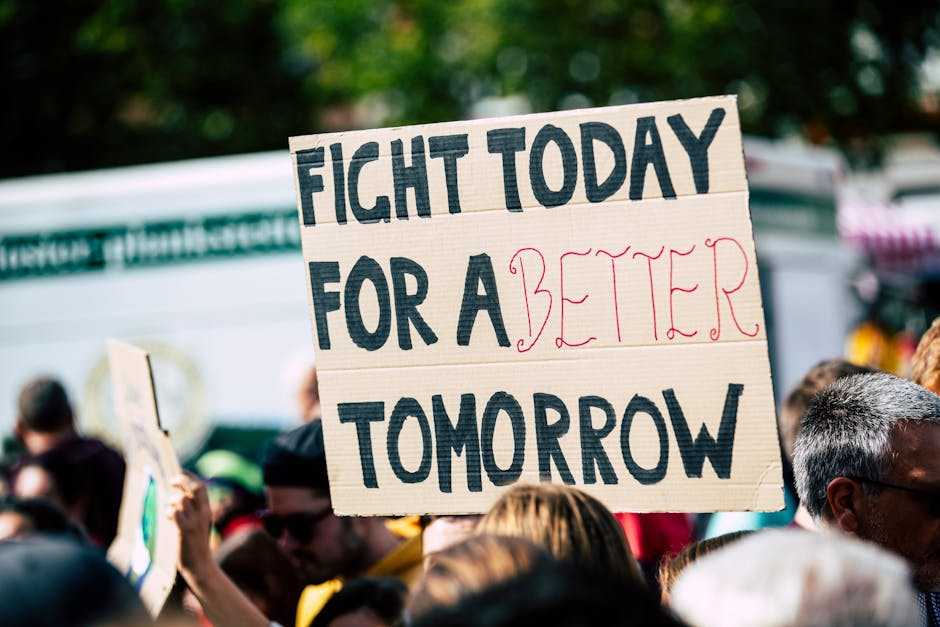
Public pressure is part of why they’ve started to matter more. Climate activists, watchdog organizations, and digital transparency tools are making it harder for vague pledges to slide by unnoticed. Governments know they’re being watched. Being seen doing something has become its own form of accountability.
No one summit will solve climate change. But without these moments of coordination, there’s no real structure or urgency. Nations drift toward piecemeal solutions, and momentum stalls. These summits aren’t perfect but they’re still the closest thing we have to a global climate engine.
For a deeper look at world leaders uniting to act on climate, explore this coverage.