Why These Summits Matter More Than Ever
Global climate summits often get dismissed as all talk photo ops, vague promises, and endless speeches. But step back and you’ll see the real work happening just behind the curtain. These gatherings set the tone for worldwide action. They put pressure on governments, shape investor priorities, and give smaller nations a louder voice in the climate conversation.
What starts as diplomatic language turns into national policy, funding pledges, and international accountability. Without them, coordinated efforts would be scattered at best. Summits like COP don’t just discuss ideas they name targets, track timelines, and apply gentle (and not so gentle) pressure to stay the course.
One key tension is binding vs. voluntary commitments. Legally binding treaties like the Paris Agreement put real weight behind emission targets, while voluntary pledges give more flexibility but also more room to stall. In practice, both have their place. Binding agreements show seriousness, but many breakthroughs begin life as voluntary pilot programs. On their own, neither is perfect. Together, they form the push and pull needed to keep climate efforts moving forward.
So yes, there’s talk. But behind the words are frameworks, deadlines, and consequences. The influence is quiet, often invisible. That doesn’t make it any less real.
From Pledges to Policies: What Actually Gets Done
Summits are loud. Laws are quiet. Turning high level promises into national legislation is where the real weight of climate action lies and it’s not always a smooth handoff. For many countries, the gap between what’s pledged and what’s passed could swallow a coastline.
Some governments are following through. Denmark made its 70% emissions reduction target legally binding and backed it with green infrastructure investments. Colombia locked in nature based solutions by granting legal personhood to major rivers, reshaping conservation enforcement. These are not symbolic moves they’re structural.
But then there are the delays. The U.S. rejoined the Paris Agreement, sure, but climate bills are still bottlenecked in Congress. Australia made bold climate summit announcements, yet coal exports remain untouched. Some countries use summit momentum to kick the can or to talk big while doing little.
A summit goal means zero unless it feeds into national policy with timelines, funding, and legal teeth. Without that follow through, words fade fast. For more on the promises and pressure points coming out of the most recent global climate gathering, check the rundown here: climate change summit.
The Key Players and What They’re Pushing For

At every global climate summit, tension simmers between high emitting countries and the smaller, often more vulnerable nations sounding the alarm. The big players bring power and capital, but also a bigger share of the blame. Smaller nations bring urgency, lived experience, and a moral high ground that’s getting harder to ignore. The negotiations, while still political, are becoming more collaborative out of necessity. Climate doesn’t respect borders, and the message is finally landing: either everyone moves, or nobody gets far.
The private sector has leveled up its presence. Tech and energy giants are no longer just observers; they’re pitching solutions, lobbying behind the scenes, and shaping standards. Meanwhile, NGOs act as watchdogs and bridge builders, keeping the pressure on both governments and corporations. They’re the ones translating summit decisions into digestible reality for the public and ensuring promises don’t fade into background noise.
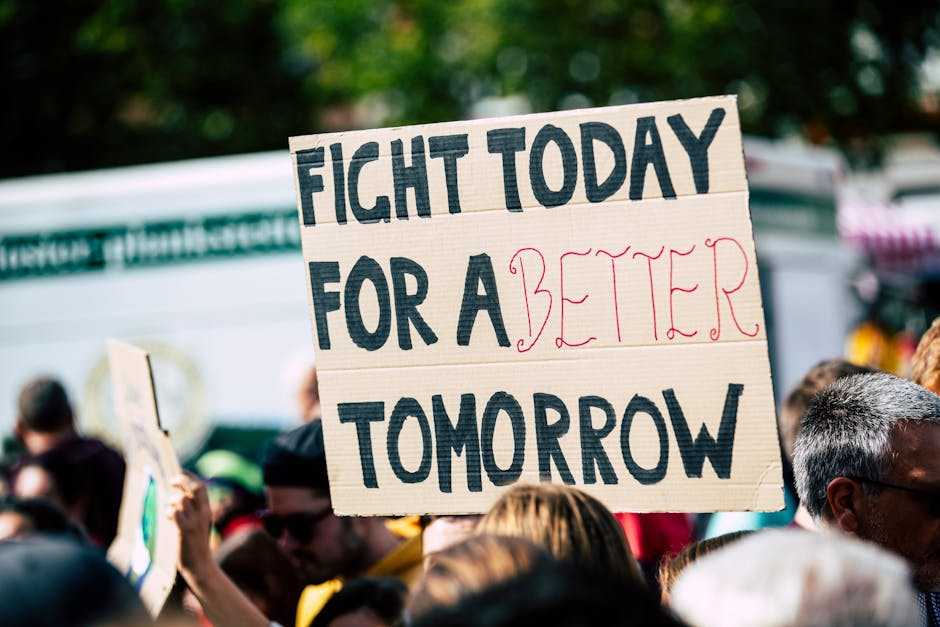
Then there are the youth activists and indigenous leaders they’re loud, organized, and deeply rooted. Youth movements bring energy and media attention, calling out greenwashing and inaction. Indigenous groups bring knowledge systems often overlooked but critical to resilience and sustainability. Both are demanding not just a seat at the table, but real influence. More and more, they’re getting it.
Looking Forward: What’s Shifting in 2024 and Beyond
Climate finance has gone from a diplomatic talking point to the center of the climate change conversation. Developing nations are demanding more more funds, more transparency, more action. Wealthier nations, many of them historic emitters, are under increased pressure to deliver on past promises: $100 billion a year was the benchmark, but unmet pledges and shifting economies have created tension. The message is clear enough pledges, time to pay up.
Carbon markets are facing scrutiny. The voluntary side is still murky, with inconsistent data, dubious credits, and spotty enforcement. But there’s momentum in tightening standards, and digital tools are helping track emissions with more precision. Meanwhile, adaptation funding money aimed at protecting communities already hit hard is finally gaining traction. Infrastructure upgrades, climate resilient agriculture, and disaster preparedness are the focus. These aren’t future fixes they’re needed now.
Tech’s role keeps growing too. Innovations like satellite based carbon verification, AI powered climate modeling, and climate fintech platforms are turning high level funding mechanisms into real world action. But tools are only as good as the hands that use them.
Every new climate change summit now carries more weight. Stakes are higher, timelines tighter, tolerance for empty gestures lower. The climate clock isn’t slowing down and neither are the expectations.
What Countries Can Do Post Summit
Big promises made at climate summits sound good on paper but they only matter if there’s a plan to deliver. That’s where accountability frameworks come in. Clear reporting structures, regular check ins, and third party tracking are the difference between vague ambition and real progress. Countries need to show their work, not just sign off on lofty goals.
Transparency helps, but it’s not enough. National governments must find ways to push summit commitments down to the local level. That means partnerships with city officials, schools, small businesses, and nonprofits. Change won’t happen on a spreadsheet it happens in neighborhoods, forests, power grids, and farm fields.
The missing link too often lies between top level agreements and what ordinary people experience. Climate action must feel real to those on the ground. Policy makers need better systems to translate summit outcomes into daily life cleaner air in a city, better flood defenses near coastal communities, or state incentives for switching to electric cars. Without that connection, diplomacy dies in the details. But if countries align bold policies with visible results, summits become more than talking shops. They become turning points.
Takeaway: Change Is Slow, But It’s Moving
No single summit is going to save the planet. That’s not how this works. But each one matters in its own way. Global climate summits whether it’s COP meetings or region specific agreements aren’t magic wands, but they do move the needle. They push issues forward, force conversations, and put pressure on leaders to commit, on paper and in front of the world.
It’s that collective pressure countries watching each other, civil society watching everyone that keeps things from stalling out. When a country makes a big pledge, especially in front of cameras, it sticks in the public memory. And that memory becomes leverage.
But pledges are only the spark. Real progress happens in the months and years after. Policy doesn’t write itself. It takes teams, budgets, debates, and follow through. Summits are the top level ignition; the grind afterward is what locks the change in place. And in climate work, that grind is everything.