Digital First Living and Buying
The line between physical and digital retail is fading fast. Consumers no longer see channels they see options. One day it’s curbside pickup. Next day, it’s livestream shopping from the couch. If a brand can’t deliver that seamless, jump between screens experience, it’s already behind.
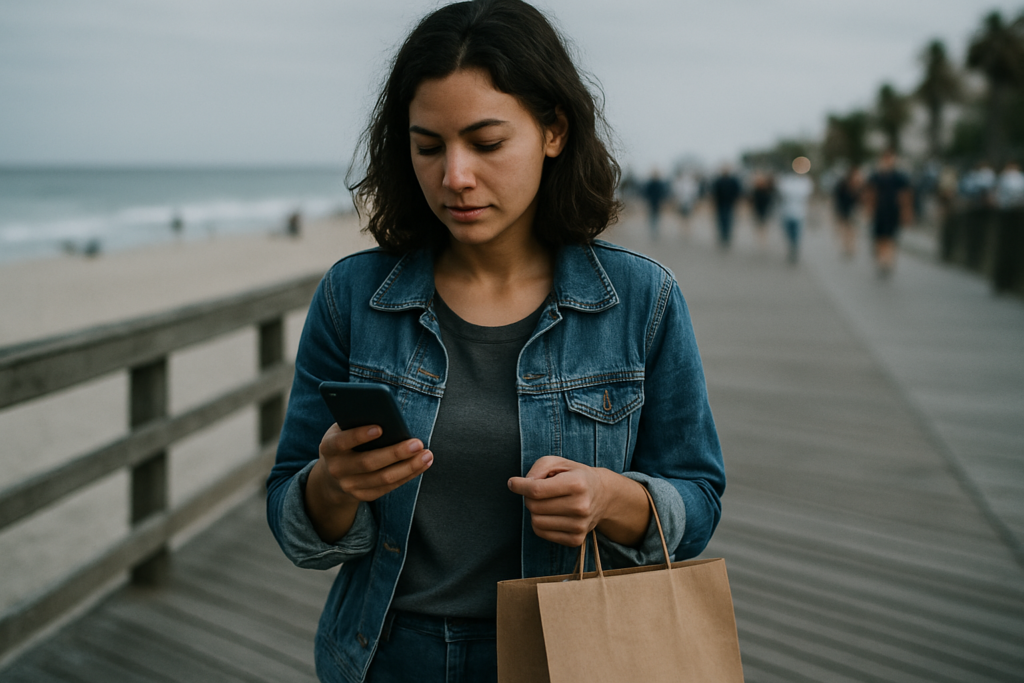
E commerce isn’t just climbing it’s blowing past old growth predictions. Shoppers are leaning hard into digital first behavior, with mobile leading the charge. Phones aren’t just for browsing anymore; they’re the cash register, fitting room, and product review hub. Mobile wallets like Apple Pay and Google Pay are now default, not novelty.
Layer on the rise of AI, and smart suggestions are starting to feel less like ads and more like helpful nudges. Consumers are getting used to algorithms that finish their sentences and complete their carts. As trust in machine curated experiences grows, so do conversions.
Explore more on consumer behavior trends
Ethical and Values Based Spending
Today’s consumers aren’t just buying products they’re buying into what those products stand for. From fair trade coffee to low waste packaging, shoppers are aligning their spending with their personal values. In 2024, this isn’t niche anymore it’s mainstream.
Sustainable and ethically produced goods are seeing a steady rise in demand. That includes everything from clothing and skincare to tech and home goods. Consumers want to know not just what a brand sells, but how it sources, ships, and treats people along the way. Performative messaging won’t cut it people are looking deeper, and they aren’t afraid to walk away.
That scrutiny is creating a new kind of accountability. Brands that ignore their environmental footprint or dodge social issues are losing both social capital and actual sales. On the flip side, transparency breeds loyalty. Companies that open up about their supply chains, factories, labor standards are earning repeat customers who care as much about the “how” as the “what.”
For more on how consumer behavior is evolving globally, check out the deep dive into global consumer behavior trends.
Experience Over Possession

Stuff isn’t enough anymore. Instead of owning more, consumers in 2024 are leaning into experiences things they can feel, remember, and share. Subscriptions, rentals, and memberships are replacing outright purchases. For everything from cars to clothing to digital tools, access beats ownership. It’s more convenient, it’s flexible, and it doesn’t clutter up your life.
Time has become the new status symbol. People want returns not just in money, but in how they feel. That means paying for moments packages that include convenience, emotion, insight, or joy. That could be a weekend wellness retreat, a street food walking tour with locals, or a monthly curated film club. Consumers are trading passive consumption for memorable interaction.
And it’s not just luxury buyers. Across the board, categories like travel, food, self care, and entertainment are where the spending heat is. Whether it’s a digital detox weekend or a solo van trip across national parks, buyers are looking for stories. They’re curating life, not just stuff.
Generation Specific Shifts
Consumer habits aren’t one size fits all. Each generation is shaping the economy in its own way with different priorities and pressure points.
Gen Z leads with digital instincts. They’ve never known a world without the internet, and they expect brands to meet them where they are: online, fast, and real. This group favors unfiltered reviews, creator driven content, and strong representation. Authenticity isn’t a value add it’s the baseline. Brands that fake it? They get called out or ignored.
Millennials are practical idealists. Convenience is king, but not at the cost of purpose. They’ll pay more for delivery, automation, or premium experiences if it fits their packed schedules. But they also want brands to stand for something. Think seamless tech, time saving features, and a story worth believing in.
Then there are Boomers, rewriting how we think of aging consumers. Post pandemic, they’ve leaned harder into digital from ordering groceries online to navigating telehealth. They want simplicity without condescension. Treat them like novices, and they’ll bounce. Empower them, and they’re loyal.
Brands that tailor to these distinct generational cues unlock serious staying power.
Economic Ripple Effects
The global economy is still reeling from back to back shocks, and the aftershocks are showing up in consumer behavior. Supply chains, once built for efficiency, now have to be built for resilience. Demand surges whether from seasonal shifts, viral trends, or geopolitical events are arriving faster and less predictably. Businesses are either adapting or falling behind, pushing for local sourcing, diversified suppliers, and leaner inventories that can flex quickly.
At the same time, inflation is changing how people buy. Consumers are looking harder at prices, trading down to store brands, or skipping non essentials altogether. Value is leading the conversation. That’s driving product substitution and narrowing brand loyalty. Companies that can’t justify their price tag are getting left behind.
Then there’s the bigger picture: financial resilience. People are thinking more critically about how and why they spend. Paycheck to paycheck consumers are favoring essentials and deals, while higher income buyers are reassessing big ticket splurges. Delayed gratifications, smarter budgeting, and intentional spending patterns are becoming common. Brands who understand this new mindset will earn consumer trust and wallets.
Looking Ahead
Hyper personalization isn’t a trend anymore it’s ground level. Consumers expect product recommendations, emails, and even pricing that feels tailored to their digital fingerprint. That one size fits all approach? It’s done. If a brand can’t recognize who someone is and what they care about, it’s getting left behind.
This shift is powered by real time data. Every click, scroll, and abandoned cart is a signal. Companies are using that info to tweak pricing on the fly, adjust inventory levels, and fine tune marketing in ways that were impossible even a few years ago. The tech’s here. The question is whether brands are using it smartly.
Those that do those that can spot a trend brewing before it spikes will edge out the rest. The market’s less about size and more about speed: how fast you can listen, act, and adjust. In a landscape ruled by unpredictability, agility wins.