Sometimes computer games become the very way to exhale after a difficult day and regain a sense of calm. They don’t require explanations, they don’t ask questions, and they allow you to switch off for a while. For me, what matters is that games can not only reduce stress levels but also inspire new ideas. In some projects the process itself is relaxing, while in others it is the atmosphere or visual style. And the more I explore different genres, the more clearly I see that each of them offers its own form of inner support.
Games that help relieve stress quickly
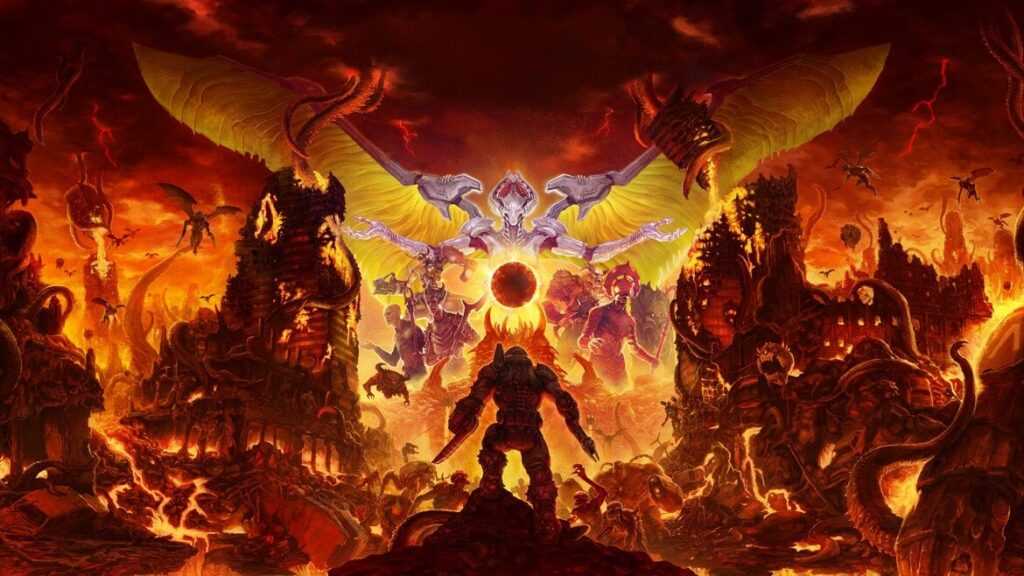
Shooters and cooperative action projects often become a simple and effective way to unwind. In DOOM Eternal, stress dissolves through fast rhythm, intense combat, and powerful sound design that forces you to focus only on the moment. Deep Rock Galactic offers a completely different kind of relief – team expeditions into caves where you can joke around, experiment with classes, and avoid taking anything too seriously. These games create a sense of control and momentum that helps you switch off after a demanding day.
Players often compare such games to a workout that lets you release emotional tension through active movement. It is a safe way to let accumulated stress out. Interestingly, even conversations around these games become part of the relaxation ritual: people share impressions, talk about funny moments, and argue about patches. And even when the discussion moves toward the competitive scene, participants exchange analytics and links like https://egamersworld.com/counterstrike/betting/csgo-gambling-sites, using it as a way to disconnect from everyday routine. This kind of interaction creates a feeling of presence and lightness.
What matters is that these projects do not require maximum concentration or complex tactical decisions. You can jump in for a couple of matches, release some adrenaline, feel a bit of danger and miniature victory, and then calmly return to your tasks. Such games work like a quick pressure release, where the result is less important than the process itself. And that is their value: they offer an emotional pause in a short and convenient format that easily fits into a daily rhythm.
Atmospheric games create a sense of calm
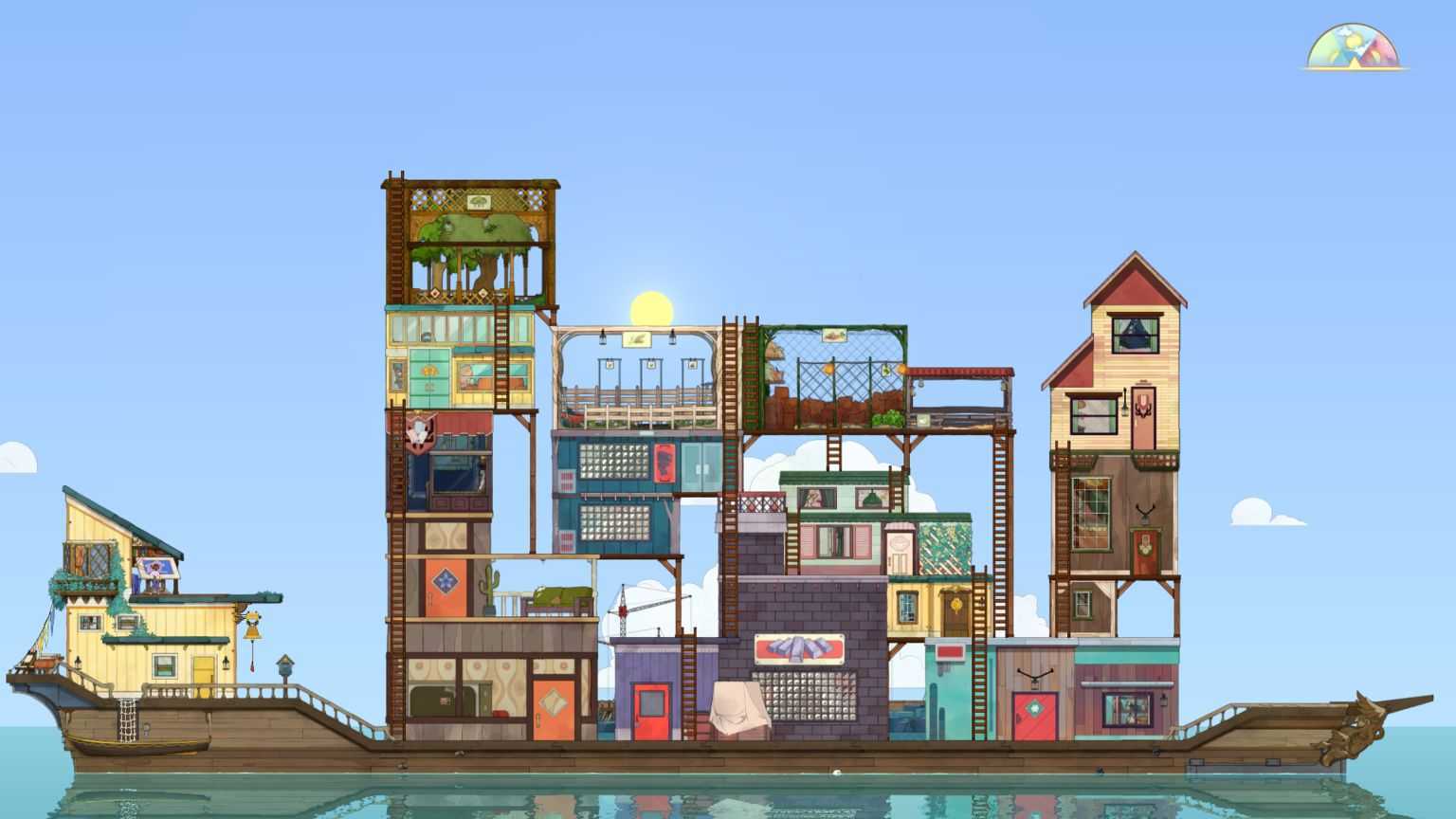
Some games slow the rhythm down so much that the experience begins to resemble meditation. Journey draws you into a soft visual flow with no enemies or pressure, offering only forward movement and occasional encounters with other players. Gris relaxes through gentle color transitions, smooth animation, and music that seems to follow your emotional state. Abzu invites you to simply swim among sea creatures, observing the world without needing to win or prove anything. These projects offer a rare chance to turn attention inward and rest from external noise.
In games of this type, the goal matters far less than the journey. They do not demand achieving results, do not pressure you with events, and do not overload you with mechanics. Everything is built around smooth movement, contemplation, and experiencing the world. For many players, this format helps release internal tension, because you can let go of control and allow the story to unfold at its own pace. Atmospheric games create the feeling of a safe space where you do not have to be productive or strong, but simply present.
Over time, such games become a kind of emotional pause. Players return to them when they want to calm down, find inspiration, or simply feel quiet. These are games that do not drain energy but instead restore it. They offer a way to regain balance gently, without pressure or extra stimuli. And this is exactly their value: in a world where everything accelerates, they offer a rare form of calm available at any moment.
Games that inspire creativity
Some projects not only help you relax but also spark an inner creative process. Minecraft gives you the freedom to experiment with shapes, space, and style: some players build massive cities, others create small cozy bases, turning the game into a platform for architectural ideas. Dreams goes even further, offering tools for making music, mechanics, characters, and your own mini stories – essentially, it is a sandbox for any type of creativity. Even Terraria, with its simple pixel aesthetic, encourages players to look for unusual solutions, design structures, and build unique worlds.
In these kinds of games, inspiration emerges naturally. There are no restrictions, no evaluations, and no strict rules – only the opportunity to try, make mistakes, and create again. This format gently stimulates imagination: ideas appear effortlessly, and the results feel rewarding regardless of scale. Sometimes building a small house or imagining a short scene is enough to feel a surge of energy and the desire to create more.
Over time, such games become a source of creative energy for many players. They offer a space where ideas can be realized without pressure or comparison, at your own pace. And it is precisely this freedom that turns them into one of the most enjoyable and accessible forms of inspiration – something you can return to at any moment.
Story-driven games provide emotional support
Narrative games can be just as calming as meditative projects. Firewatch immerses you in an atmosphere of solitude and warm communication: long radio conversations create a sense of trust and the presence of another person even in complete isolation. Spiritfarer carefully guides the player through themes of farewell, allowing emotions to unfold at a comfortable pace without pressure. To the Moon inspires through a simple yet profound story about memory, loss, and acceptance – the game gently encourages reflection without overwhelming you with complex mechanics.
These kinds of projects act as an emotional pause. They do not demand quick reactions, do not impose strict objectives, and instead create a space where you can process your own feelings safely. When interacting with characters, players naturally compare their experiences to those on screen, which helps them understand their own emotional state better. Sometimes one quiet scene or conversation is enough to let the tension go.
Over time, story-driven games become a form of emotional support: they offer a way to experience feelings that are difficult to put into words, and they do so in a soft and careful manner. That is why these stories are especially valued in moments when you are looking not for distraction but for a calm emotional response.
Conclusion
Games come in many forms, and each offers its own way to relax or find inspiration. Some relieve tension through fast action, others calm you with atmosphere, and some spark creativity or provide emotional support. For me, this feels like a natural way to recharge that is always within reach. The key is to choose the project that creates the right state of mind in the moment.