E commerce as the New Engine of Global Trade
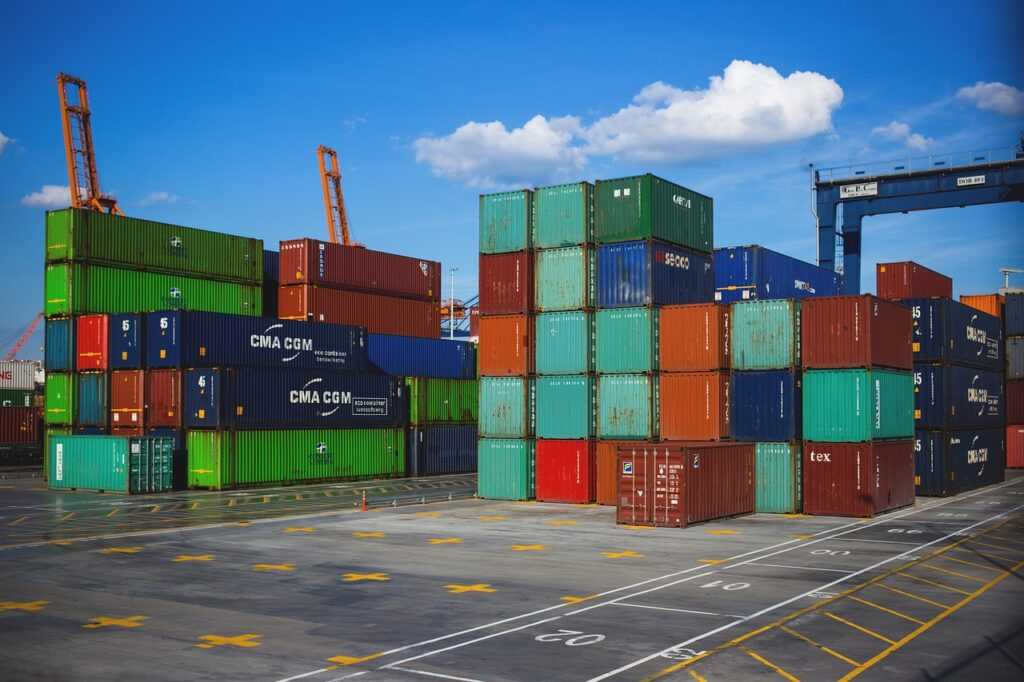
The old model of global trade ran on cargo ships, big ports, and even bigger companies. Think containers, customs paperwork, and months long timelines. It was slow, expensive, and dominated by multinationals. Today, trade runs on tap on screens, apps, and subscriptions. Welcome to the digital marketplace, where buying and selling across borders happens in seconds.
Mobile access has changed the game. Billions now shop directly from their phones. E commerce platforms ride on better logistics, smarter routing, and fulfillment centers built for speed. Goods that once took weeks now arrive in days. And it’s not just about convenience the economics have shifted. Low overhead sellers, from Nairobi to Bogotá, can set up digital storefronts and reach global buyers without leaving home.
Emerging markets are quickly becoming powerhouses, not just consumers. Demand is local, but digital. Countries that used to be on the import heavy side are now exporting everything from handmade fashion to fintech services with global demand.
This is the big shift: micro enterprises are taking the global stage. It’s no longer just about how big your brand is it’s about how fast you can connect, adapt, and deliver. Traditional trade isn’t gone, but it’s no longer the only road. In 2024 and beyond, the world’s supply chain isn’t just built for giants. It’s open for anyone who logs on, ships smart, and moves fast.
Tech Infrastructure Powering the Shift
Behind the headline growth of global e commerce, there’s a tech stack doing the heavy lifting. Cloud computing has become the backbone, letting businesses from solo sellers to mid sized logistics firms scale fast without infrastructure nightmares. Real time data, scalable infrastructure, and always on access are now table stakes.
Artificial intelligence is doing more than just recommending products. It’s predicting inventory needs, automating customer support, and fine tuning logistics on the fly. AI doesn’t sleep, and in a world where customers can come from any time zone, that matters.
Fintech firms are sweeping away old school barriers to cross border payments. Currency conversion, fraud detection, compliance it’s all baked in and nearly invisible to the customer. Sellers in Nigeria can make sales in Norway and settle payments in hours, not weeks. This wouldn’t be possible without the quiet revolution in digital finance.
Smart supply chains are closing the gap between digital shelves and physical delivery. With connected sensors, dynamic routing, and warehousing on demand, inventory doesn’t just sit it adjusts. Buyers expect fast, accurate shipping no matter where they’re located. In 2024, that’s finally becoming achievable.
Blockchain isn’t hype anymore it’s utility. For international trade, it builds trust where laws and jurisdictions don’t always align. Smart contracts speed up customs processing and payments. Transparent ledger systems reduce fraud and disputes. In short, it’s making decentralized trade more secure and more scalable.
Tech isn’t the whole story, but without it, global e commerce wouldn’t be what it is borderless, fast, and growing.
Small Sellers, Global Impact

Ten years ago, cross border sales were mostly a game for giants. Today? A candle maker in Indonesia, a jewelry designer in Kenya, or a skincare startup in Poland can all ship to over a hundred countries just as easily as a Fortune 500 company. The borders haven’t disappeared but the friction has.
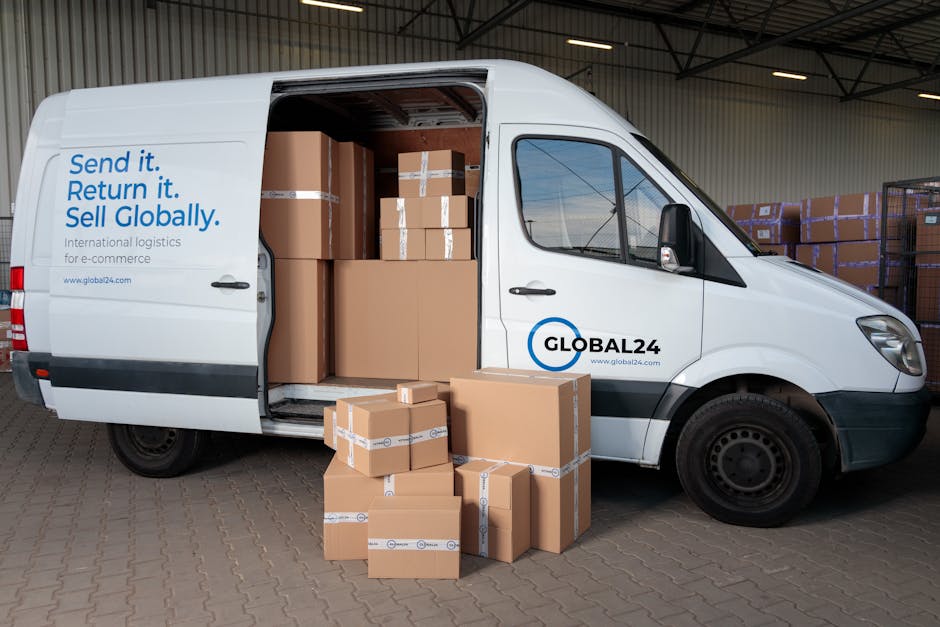
Much of that shift comes down to logistics platforms stepping up. Services like ShipBob, Easyship, and YunExpress are offering international warehousing and same week delivery windows that used to be unthinkable for smaller players. These aren’t one size fits all operations. They’re tuned for niche sellers who want to tap global demand without blowing their margins.
At the center are tools like Shopify and Alibaba, which have become global storefronts more than simple marketplaces. Shopify now supports native multi currency checkout, translation, and global tax calculation all out of the box. Alibaba, with its massive fulfillment network, allows even micro enterprises to access wholesale, manufacturing, and cross border logistics all under one roof.
The result? A vlogger in Montreal selling custom gear, a ceramicist in Mexico shipping via Etsy with backend support from FedEx Cross Border, a Sudanese UX coach running digital product drops all are now part of the same global commerce current once reserved for conglomerates. The movement’s not about scale. It’s about access and agility.
Policy, Regulation & Digital Trade Agreements
E commerce is moving fast government policy, not so much. While startups ship products globally with a few clicks, regulators are scrambling to keep pace. Tax codes, privacy laws, and trade rules built for container ships and physical paperwork don’t always fit a world where business happens through cloud dashboards and mobile payments.
Data privacy is front and center. Countries are tightening rules on how customer data gets collected, stored, and shared across borders. Then there’s digital taxation should an influencer selling handmade prints in five countries pay VAT in all of them? With no standard framework, governments are making it up as they go. Tariffs are creeping into virtual deals too, especially where digital goods and services blur the line between content and commerce.
To tame the chaos, some international coordination is starting to happen. The WTO’s Joint Statement Initiative on e commerce is one attempt to set ground rules. It aims to standardize digital trade practices globally, but progress is slow. Still, the initiative signals that even the most traditional institutions see digital commerce as the new backbone of global trade.
Right now, creators and businesses need to stay alert. What you don’t know about foreign compliance can hurt you or at the very least, delay your ability to scale. Governments are building the roads while the cars are already going full speed.
A Shift Beyond Transactions
E commerce is no longer just a sales channel it’s becoming a catalyst for cultural transformation in the way businesses operate across borders. As companies of all sizes tap into global markets, e commerce is shaping not only what is sold, but how businesses think, communicate, and serve international audiences.
Rethinking Business Culture for a Digital World
The rise of digital marketplaces has encouraged businesses to abandon legacy trade mindsets. Fast growing startups and legacy brands alike are now:
Prioritizing data driven decisions over geography based expansion
Building cross cultural teams to foster inclusive product development
Replacing traditional export models with agile digital first operations
This shift is moving companies toward more adaptable, responsive, and globally fluent business cultures.
Consumer First Strategies Take Center Stage
In this new landscape, businesses that win are those who truly understand their global customers. A focus on the consumer regardless of country has led to:
Hyper personalization through dynamic product recommendations
Predictive analytics anticipating customer needs before they arise
Localized marketing approaches delivered at global scale
Putting the customer at the center of the entire experience has become essential not optional.
Digital Storefronts Are the New Export Strategy
Entire sectors are moving away from traditional export strategies in favor of digital storefronts that operate 24/7, across time zones and markets. Whether through standalone websites or platforms like Amazon, MercadoLibre, or Rakuten, this model offers:
Instant global reach without intermediaries
Lower costs compared to physical distribution networks
Tailored branding and customer experience per region
For many, the digital storefront is no longer a complementary channel it’s the core business strategy driving international growth.
What’s Next in the Evolution
The global marketplace is getting more personal. The rise of direct to consumer (DTC) globalization means sellers big and small can now skip the middlemen and reach buyers anywhere, instantly. Creators, brands, and niche product makers are using platforms and tools that translate content on the fly, process international payments in seconds, and deliver localized customer support in real time. The friction between continents is quietly disappearing.
Meanwhile, value itself is evolving. Virtual goods and NFTs aren’t just digital gimmicks they’re unlocking new ways to sell, own, and trade. Vloggers are minting exclusive digital merch. Artists are selling digital first collections to fans in Seoul, Paris, and São Paulo all while sleeping. It’s not theory anymore; it’s happening.
AI is smoothing every gear in the system. Automated translations, UX personalization, and AI led customer care are making overseas transactions feel local. When a shopper in Berlin gets the same slick experience as someone in Miami, borders become irrelevant.
Want to see where this leads? Dig into Future of trade to glimpse the map ahead.