What Tariffs Actually Do
At its core, a tariff is just a tax. Governments slap it on imported goods to make them more expensive. The idea is to give domestic producers a leg up if foreign made products cost more, people might buy local instead. But once that cost bumps up the price tag, everyone in the supply chain from the factory to the end customer feels it.
In the short run, tariffs raise prices. Businesses pay more for imports, pass some of that onto consumers, and margins tighten. Some production may shift inward or to alternative countries, but it’s not instant or easy. Over time, tariffs can change how companies source parts, where they manufacture, and which markets they enter or avoid entirely. In a few cases, it leads to innovation. More often, it leads to paperwork, delays, and new headaches.
Reactions vary by industry. Tech companies especially those relying on tightly integrated global circuits and components get hit hard and fast. Agriculture faces retaliation tariffs that can shut out entire export markets overnight. Manufacturing is stuck in the middle, juggling rising input costs and uncertain demand. Tariffs don’t play favorites, but the fallout isn’t evenly spread either.
Pressure Points in Global Supply Chains
Manufacturers are getting hit from all sides. Input costs are up sometimes way up. Materials that were once predictably priced are now volatile, thanks to a mix of tariffs, geopolitical risk, and supply shortages. For factories already operating on slim margins, this adds friction at every turn.
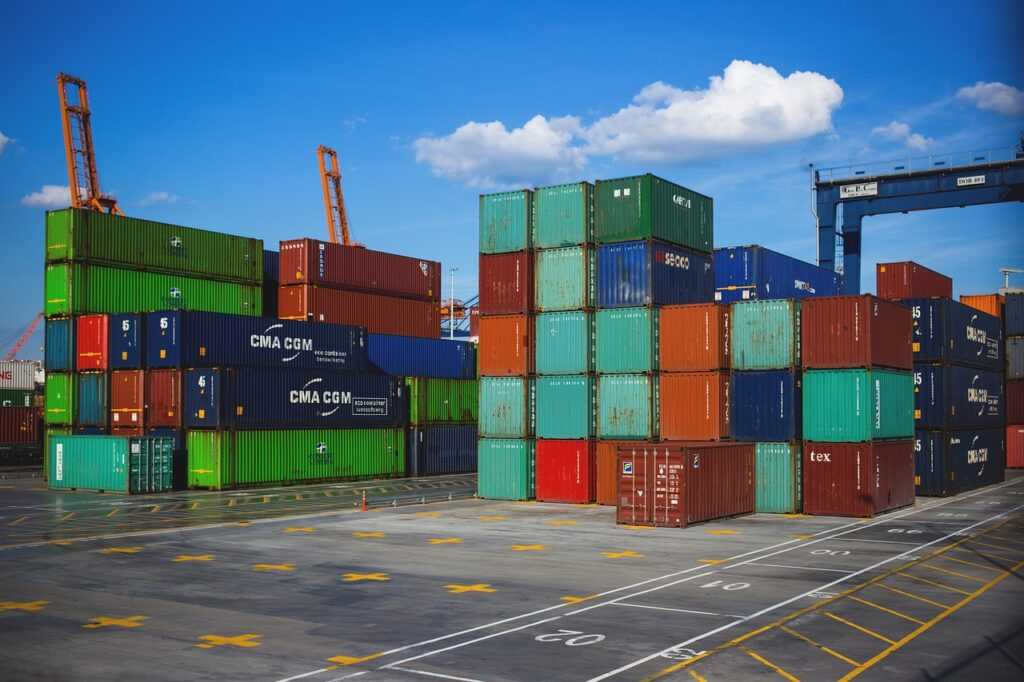
Shipping’s another pain point. New tariffs are forcing companies to reroute supply chains, often away from their most efficient paths. The result? Delays, increased freight charges, and more red tape. Ocean carriers reshuffle priorities. Ports clog. Lead times stretch and customers notice.
Small and medium sized businesses are feeling it hardest. They don’t have the reserve capital or scale to absorb sudden cost hikes. A 15% jump in input prices can tank a product line. A two week delay in delivery might mean lost contracts. With fewer buffers and limited leverage, these companies end up caught between rising costs and customer expectations they can’t always meet.
The pressure is real, and it’s reshaping how goods move and who’s still competitive in moving them.
Real Shifts in Trade Routes and Partnerships
No one’s waiting for the dust to settle. Countries are actively redrawing their trade maps, ditching overdependence on any single partner. The result? New trade corridors, fresh handshake deals, and a realignment of who trades with whom. For exporters in nations like India, Vietnam, and Mexico, this opens up huge opportunities to grab market share once dominated by China. On the flip side, some traditional routes are drying up, and not everybody’s ready for the shift.
Emerging markets are feeling both pressure and potential. Some are seeing a boom from redirected supply chains and global capital looking for new homes. Others are caught flat footed, unable to meet demand spikes or navigate chaotic customs regimes. The shake up isn’t clean and it’s not always fair.
Meanwhile, corporations and governments are ramping up strategic stockpiling. Think rare earths, semiconductors, key pharmaceuticals. Supply chain shocks have taught a hard lesson: just in time doesn’t cut it anymore. That’s where “friendshoring” comes in sourcing from allied nations to reduce geopolitical risk. It’s about trust over cost now. Efficiency isn’t gone, but it’s taken a back seat to resilience.
Bottom line: global trade isn’t just changing lanes it’s building new roads.
Trade Wars Aren’t Isolated Events
When one major economy tweaks its trade policy, the effects usually spill far beyond its borders. Tariffs aren’t just taxes on goods they’re dominoes in a global line up. The best case study? U.S. China tariff battles over the past few years.
It started with the U.S. slapping steep tariffs on Chinese steel, tech, and consumer goods. China retaliated with tariffs of its own. But the fallout didn’t stop there. The European Union had to decide whether to follow suit or carve out its own trade stance. ASEAN nations saw opportunities to position themselves as alternative manufacturing hubs, while African exporters faced container backlogs and diverted supply chains.
Tariff ping pong creates second order effects: new alliances, fresh tariffs, and sudden rerouting of goods. Countries that once relied heavily on a few trade lanes now scramble to diversify. When tit for tat policies kick in, everyone adjusts some gain a window of advantage, others get priced out entirely.
For more context on how these dynamics unfold, explore Understanding Trade Wars.
How Businesses Are Adapting
As tariffs continue to ripple through the global economy, businesses aren’t sitting still. They’re pivoting fast.
First, there’s diversification of sourcing. Relying on a single country, particularly one caught in tariff crossfire, is a gamble too risky for most. Companies are spreading out their supplier networks. That might mean moving from China to Vietnam, Mexico, or multiple regional hubs. It’s not about abandoning old partners it’s about hedging bets in a volatile climate.
Then there’s automation. Labor and production costs are up across the board, and increasing tariffs only pile on the pressure. More businesses are investing in robotics, AI driven logistics, and software to streamline everything from warehousing to inventory tracking. It’s not a one size fits all fix, but for many, it’s the only way to stay competitive when margins are thinning.
And what about long term contracts? They’re a double edged sword. Locking in pricing and supply may offer stability, but in a shifting tariff environment, what seemed like a good deal in 2022 might feel like a trap in 2024. The savviest companies are renegotiating terms or insisting on escape clauses that let them adjust as new policies land.
In the end, resilience isn’t about big moves it’s about smart ones. Tariffs aren’t going away. The companies that last will be the ones that build flexibility into every layer of their operation.
The Global Consumer Feels It Too
Trade tariffs don’t just affect governments and businesses they touch everyday lives in tangible ways. From rising grocery bills to limited tech options, consumers across the world are beginning to feel the pressure firsthand.
Price Hikes Across Everyday Goods
Tariffs drive up production costs, and those extra expenses often get passed along to consumers. As raw materials and imported components become more expensive, shoppers see higher prices on store shelves.
Apparel and footwear now cost more due to textile import tariffs
Everyday electronics, like smartphones and laptops, reflect higher component costs
Grocery items especially imported ones carry added markups
Fewer Options, Slower Innovation
Trade barriers can also reduce the variety of products available to consumers. With limited access to international suppliers, companies often scale back product lines or delay new releases.
Restricted sourcing means fewer choices in cars, devices, or household products
Innovation slows when firms are uncertain about future supply stability
Niche or specialized items, particularly in tech, may disappear completely
Hardest Hit Sectors: A Closer Look
Certain industries feel the weight of tariffs more heavily due to their reliance on global supply chains. These sectors are both price sensitive and dependent on cross border components.
Automotive: Tariffs on steel, aluminum, and parts affect vehicle costs and availability
Electronics: From semiconductors to screens, many parts are internationally sourced and highly impacted
Food: Tariffs on agricultural imports lead to higher prices for staples like rice, beans, fruit, and meat
As trade tensions continue to intensify, the global consumer experience becomes increasingly tied to policy decisions made thousands of miles away.
The Big Picture
Tariffs as a Tool for Power
Trade tariffs are no longer just instruments of economic policy they’ve evolved into tools of geopolitical leverage. Governments use them to influence political outcomes, pressure trade partners, or bolster national security under the guise of economic self interest.
Tariffs can be used to punish or pressure rival economies
Policymakers use tariffs to appeal to domestic industries and workers
Strategic industries (e.g., tech, defense) are often the focus of tariff policies
The shift from purely economic reasoning to strategic maneuvering has changed how both nations and companies prepare for and respond to new tariff introductions.
Fragmented Globalization: Is It Here to Stay?
We’re seeing signs that the era of seamless global trade may be fading. Instead, regional markets, trade blocs, and bilateral agreements are gaining prominence.
More countries are negotiating exclusive or limited scope trade deals
Companies are localizing supply chains to reduce geopolitical exposure
Cross border standardization is becoming harder to maintain
This fragmentation doesn’t mean global trade is ending but it is becoming more complex and less predictable.
Learn More
For a broader exploration of how trade wars and tariffs reshape global economics, see:
Understanding Trade Wars